
Chiang Mai: Photo Albums of Modern Structures

This post covers my trip to Fang, Tha Ton and Chiang Rai and the modern temples and other buildings that we found there, including the White Temple and the Black House.
Ajahn Suthep: 50+ Dhamma Talks

Ajahn Suthep is one of the few Thai monks I know who can effectively teach in English, and his teachings are always based on the original teachings about the constituent parts, the sense-spheres and craving.
Second Guest on Photo Dharma: Ven. Dhammika
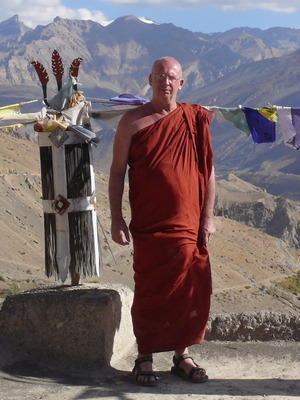
Over the past few years Ven. Dhammika has been traveling extensively and fortunately for us he took his camera with him. Now he has contributed some of these photos to the Photo Dharma website.
Bhikkhu Gavesako: Life as a Buddhist Monk in the West

Bhikkhu Gavesako describes the history of the Western Sangha, which originated with Ajahn Chah in north-east Thailand and then spread around the world starting with England in 1979.
The Journey of Xuanzang: An Introduction

The Journey of Xuanzang is a lavishly illustrated 12-part biography of the great Chinese traveler and translator Xuanzang, based on Records of the Western World and A Biography of the Tripitaka Master.
Bhikkhu Bodhi introduces Buddhist Global Relief

In this video Bhikkhu Bodhi talks about how he and some friends came to start Buddhist Global Relief. The video was made around 6 months after the organisation was set up in 2007.
Bhikkhu Moneyya: Good Parenting

In the talk Bhikkhu Moneyya talks about the qualities that make for good parenting, and how the example a parent sets can and will influence their children for better or for worse.
Bhante Anandajoti: The Four Spiritual States
This is a short talk I gave about how to make everyday an auspicious day by developing four great qualities of mind, and I illustrated it with stories from the life of the Buddha and modern forest monks in Sri Lanka.
Why Has Bodhidharma Left for the East?
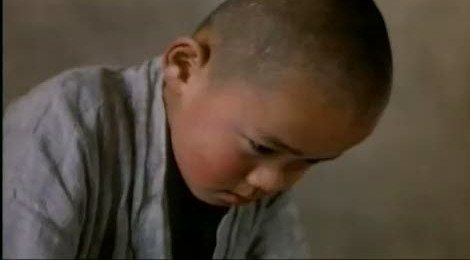
This is a hauntingly beautiful and deeply meditative film by Bae Yong-kyun, who spent 7 years making and editing the film, which is permeated by Buddhist themes and is built up around Zen koans and Zen-like dialogue.
Ajahn Karuniko: Right Speech
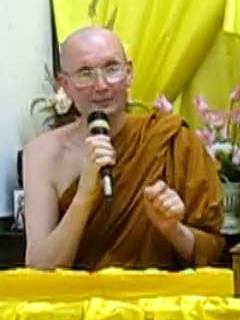
This is a video recording of a talk given by Ajahn Karuniko, the vice-Abbot of Chithurst Buddhist Monastery in England, on the subject of good and skilful speech. The talk is in English with Mandarin translation by Mr. Tan Ah Huat.
Bhante Anandajoti: Dhamma Talk on New Year’s Day
This talk begins by reflecting on the past year and encouraging people to remember their good deeds, and then also to make a strong determination for the coming year to keep precepts and develop further their spiritual life.
The Traditional Life of Aśvaghoṣa

According to the traditional biography of Aśvaghoṣa, which was translated into Chinese by Kumārajīva, he was originally a wandering ascetic who was able to defeat all-comers in debate.
Uposatha Calendar 2011/2555

The Uposatha calendar for the recitation of the Pātimokkha from the beginning of Hemanta 2010 up and till the end of Hemanta in 2012. According to Myanmar and Sri Lankan traditions.
J.K. Nariman: Aśvaghoṣa and the Buddhacarita

Here is a re-edited short appreciation of the Buddhacarita by Aśvaghoṣa by J.K. Nariman, which can be found in full on my Ancient Buddhist Texts website.
Dr K Sri Dhammananda: The Buddhist Explanation of Natural Disasters

Human beings possess the intelligence and wisdom to question their existence, how and why they are born in this world and about the meaning of life itself.
Remembering Ven. Sumedha

Today is the 4th death anniversary of the Swiss monk and artist Ven. Sumedha who passed away in the Intensive Care Unit in Peradeniya Hospital, where he had spend the previous decade working with the critically and terminally ill.
Bhante Anandajoti: The Rarities
Strive on, monks, with heedfulness: the arising of a Buddha in this world is rare, acquiring a human existence is rare, gaining confidence is rare, being one gone forth is rare, hearing the True Dhamma is extremely rare.
Bhante Anandajoti: The Invitation for Correction
The close of the Rains Retreat sees the Invitation for Correction (Pavāraṇa) that the monks and nuns make to each other, which requires that each of them be easy to speak to and able to correct their wrongs.